Shielded by the South: Canada’s Decade of Mismanagement, Complacency, and the Urgent Call to Reverse Course

In light of what’s happened in Venezuela and the media drumming up wild new theories and fears, I wanted to touch base on reminding Canada what the USA means to us; how we got here, and how we need to keep the faith, unite, and move forward – (with the help of AI to ensure factual data) – January 2026
Table of Contents
- 1. Introduction: The Southern Shield and the Northern Blind Spot
- 2. The U.S. Security Umbrella: What Canada Quietly Depends On
- 3. A Decade of Mismanagement: Lax Borders, Crime, and Cartels
- 4. Foreign Interference and Ideological Infiltration
- 5. The Erosion of Patriotism: From “No Core Identity” to Recruitment Crisis and National Fracture
- 6. The Liberal Playbook: Scandals, Media Control, and Suppression Tactics
- 7. Economic Deferral: Housing Bubbles, Resource Stagnation, UNDRIP Hypocrisy, and Internal Barriers
- 8. Trump’s Hemispheric Realism: Not Imperialism, But Survival
- 9. The 2026 Reckoning: Risks Deferred No Longer
- 10. A New Path Forward: Reform, Gratitude, and the Possibility of Change
1. Introduction: The Southern Shield and the Northern Blind Spot
Canada has long enjoyed an extraordinary degree of peace, prosperity, and security — privileges that most nations can only envy. Our cities rank among the safest in the world, our economy remains stable even in turbulent times, and our borders have been free from direct military threat for generations.
Yet this privileged position is not primarily of our own making. It rests, to a profound and often unacknowledged extent, on the military dominance, economic power, and strategic vigilance of our southern neighbour, the United States.
While the U.S. has borne the primary cost of securing the Western Hemisphere — through NORAD surveillance, decisive action against narco-states, and containment of great-power rivals — Canada has frequently responded with complacency, moral superiority posturing, and domestic policies that actively weaken rather than strengthen the partnership.
In Washington, a growing frustration has taken hold: Canada is increasingly seen as an ungrateful ally that free-rides on American protection, exports its problems southward, and pursues foreign relationships that raise legitimate security concerns for the continent — they aren’t wrong to feel this way.

As former RCMP investigator Garry Clement warned in his January 2026 analysis on TheBureau.news:
“Canada’s prosperity has become asset stripping disguised as prosperity — risks are monetized today and deferred to tomorrow.” (TheBureau.news)
This article examines how a decade of Liberal governance under Justin Trudeau (2015–2025) and continuing under Mark Carney has systematically deepened those deferred risks through lax enforcement, cultural self-flagellation, economic short-termism, and foreign policy missteps. With the critical 2026 CUSMA review on the horizon and global volatility intensifying, Canada stands at a pivotal moment — one that demands honest reckoning and bold reversal.
2. The U.S. Security Umbrella: What Canada Quietly Depends On

Canada’s defence policy has operated on a comfortable but dangerous assumption: the United States will defend North America no matter how little Canada invests. This assumption is correct — but it is increasingly resented south of the border, where taxpayers question why they should subsidize a neighbour that spends so modestly on its own security. Yes, that’s right, in our own grievances with taxation we should not forget, US taxpayers fund their own government endeavours also.
The key pillars of this “southern shield” are:
- NORAD — The binational command responsible for aerospace and maritime warning. The U.S. supplies approximately 90% of the operational assets, including fighters, tankers, and advanced sensors. Modernization efforts against hypersonic and cruise missiles are jointly funded, but capability gaps disproportionately burden American forces.
- Five Eyes intelligence alliance — Canada gains access to world-class signals and human intelligence it could never produce or afford independently.
- Hemispheric security operations — The 2025 U.S.-led intervention that ousted Venezuela’s narco-regime directly reduced threats that would otherwise spill northward through migration and trafficking networks.
- Arctic flank protection — U.S. nuclear submarines and satellite surveillance deter Russian and Chinese encroachments in areas where Canadian presence remains thin.
Without this umbrella, Canada would be acutely vulnerable. Russian bombers routinely probe North American airspace (12 intercepts in recent years), and China seeks economic and strategic footholds in the Arctic. Yet for years, Canadian defence spending hovered below 1.4% of GDP — far short of NATO’s 2% pledge — until rushed commitments in 2025–2026.
3. A Decade of Mismanagement: Lax Borders, Crime, and Cartels
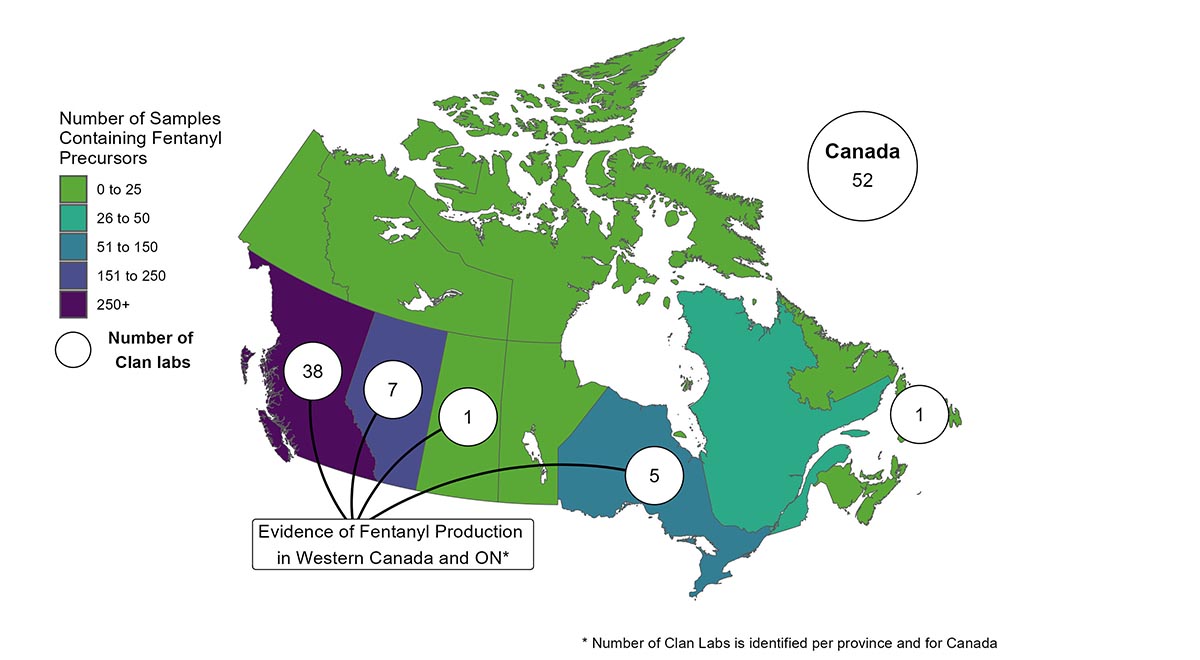
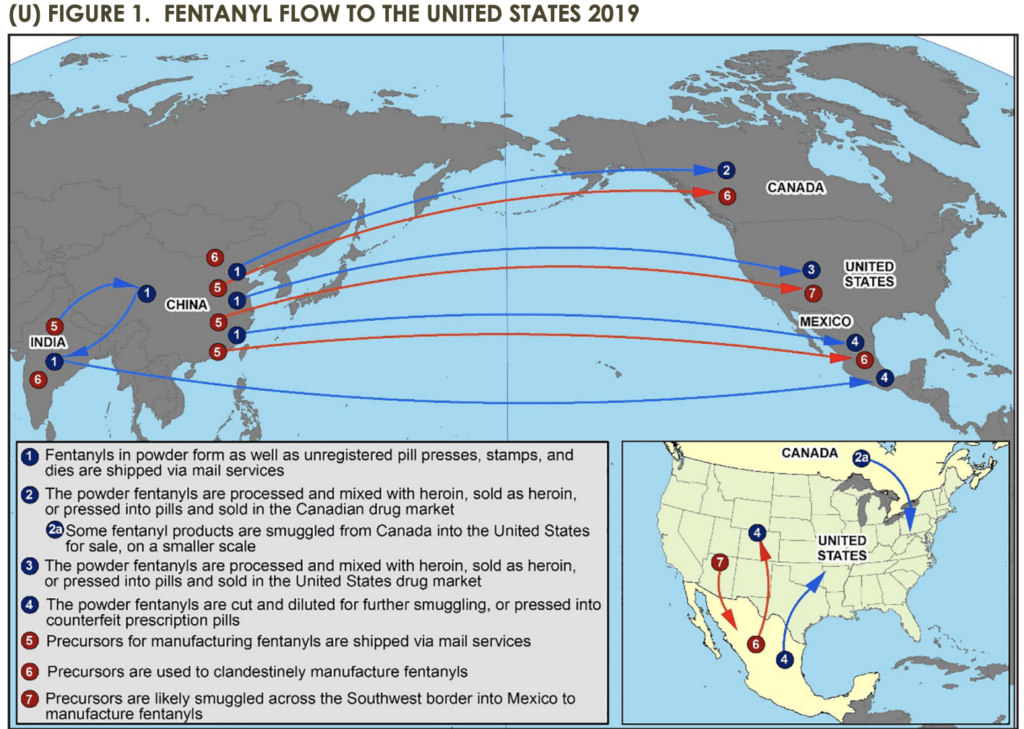
Liberal immigration and enforcement policies prioritized rapid population growth as an economic panacea and ideological harm-reduction over rigorous security, integration, and public safety.
The consequences have been severe and measurable:
- Record levels of temporary residents (over 2.5 million at peak) overwhelmed vetting and enforcement capacity, creating loopholes exploited by criminal networks.
- Weak sentencing for drug trafficking and money laundering turned Canada into a preferred hub for cleaning fentanyl profits through casinos, real estate, and shell companies — with billions laundered annually.
- Mexican cartels (Sinaloa, CJNG, Tren de Aragua) and Chinese triads embedded via visa programs — the RCMP now identifies seven major transnational organized crime syndicates operating freely in Canada, using ports for precursor transshipment.
- Each overdose death represents — as Clement puts it — “a financial crime, a national security issue, and a policy indictment.” The U.S. endures the primary human toll from the resulting opioid crisis.
Substantive reforms — Bill C-12 strengthening borders, increased CBSA officers, tighter visa screening — only arrived in 2025, after a decade of inaction that allowed these networks to entrench deeply.
4. Foreign Interference and Ideological Infiltration
The 2024–2025 public inquiry into foreign interference confirmed what security agencies had warned for years: China is Canada’s “most persistent and sophisticated” interference threat, targeting elections, candidates, diaspora communities, and critical infrastructure.
Yet the government response has been strikingly inadequate. The proposed foreign agent registry regulations released in January 2026 allow initial fines as low as $50 — a penalty critics rightly call toothless and insulting given the scale of the threat.
Investigative journalist Andy Lee (@RealAndyLeeShow) has relentlessly documented ongoing CCP-linked networks, including rapid mobilization of protests against interference probes and registries.
CCP-affiliated groups organizing protests against the foreign agent registry — the same networks implicated in election interference are still active and unchallenged.
— Andy Lee (@RealAndyLeeShow) October 2025
Other actors — Iran (transnational repression), Russia (disinformation), and extremist ideological fringes — similarly exploit Canada’s permissive environment. Criticism of these vulnerabilities is often deflected as xenophobia or alarmism, further delaying action in an era of escalating hybrid warfare.
5. The Erosion of Patriotism: From “No Core Identity” to Recruitment Crisis and National Fracture


Justin Trudeau’s repeated declarations — “There is no core identity, no mainstream in Canada… the first post-national state” (2015 New York Times interview) — set the tone for a decade of national self-criticism that portrayed Canadian history as uniquely genocidal and racist.
Policies followed suit: virtual click-through citizenship ceremonies replaced solemn in-person oaths with judges, flags, and anthems; civics and history requirements for citizenship were significantly softened; statues of founders like Sir John A. Macdonald were toppled without public process; place names erased en masse amid residential school revelations. Over a 123 churches have been vandalized, burned to the ground, or desecrated — “and to this day, there has been NO national inquiry called to address this national crisis”.
Shame rather than pride
The cumulative effect has been a generation taught shame rather than pride, with direct consequences for national institutions:
- Chronic military shortages — recent periods saw more CRA employees (~52,500) than regular force personnel, with shortfalls of 8,000–16,000 persisting.
- Desperate measures — the 2025 DND directive urging federal public servants to join the Supplementary Reserve to build toward 300,000 mobilization capacity.
- Provincial fractures — Alberta and Saskatchewan approved referendum questions on sovereignty and equalization reform for potential 2026 votes; Quebec separatism simmers beneath the surface amid ongoing language and cultural debates.
In stark contrast, the United States under Trump has revived overt patriotism, national unity messaging, and military pride — driving recruitment surges and institutional morale.
6. The Liberal Playbook: Scandals, Media Control, and Suppression Tactics
A clear pattern emerged over the decade: scandals met with denial, deflection, or minimal consequences; critics labelled extremist or divisive; and narrative control cultivated through financial leverage and legislative threats.
Major examples include:
- SNC-Lavalin affair (2019) — Alleged pressure on Attorney General Jody Wilson-Raybould to grant deferred prosecution; resulted in resignations and Trudeau’s second ethics violation finding.
- WE Charity scandal (2020) — Sole-sourced $900M+ student grant contract to charity with ties to Trudeau family; ethics breaches confirmed.
- ArriveCAN app (2022–2024) — Border tracking tool ballooned to over $54M amid glitches, mismanagement, and potential conflicts flagged by Auditor General. (Auditor General report)
- SDTC “green slush fund” (2024) — $400M+ sustainable technology fund distributed with 186 conflicts of interest involving Liberal appointees.
Legacy media received hundreds of millions in annual subsidies (CBC alone exceeding $1.4B yearly), fostering perceptions of left-leaning bias and dependency. Bill C-18 (Online News Act) forced tech giants to pay for linking news content — Google complied with a $100M fund, but Meta banned Canadian news entirely on Facebook/Instagram (ban ongoing into 2026).
Bill C-63 (Online Harms Act) provisions — later stalled amid backlash — threatened life imprisonment for hate propaganda offences and preemptive peace bonds (house arrest, monitoring) based on fear of future hate speech, risking chills on criticism of migration, government, or Indigenous policies.
Recent minority government tactics included aggressive overtures to Conservative MPs to cross the floor — with the most recent condemnation from B.C. MP Scott Anderson publicly rejecting repeated approaches in January 2026, calling it betrayal of constituents.
It’s important for my constituents to know that I, like others, have been approached by the Liberals and asked to cross the floor to join them. This is where I stand — full post available on my Facebook page.
Thank you to all who have shared words of support 💙🇨🇦#cdnpoli pic.twitter.com/9mA2DfXG3t
— Scott Anderson (@ScottAndersonMP) January 6, 2026
7. Economic Deferral: Housing Bubbles, Resource Stagnation, UNDRIP Hypocrisy, and Internal Barriers
Liberal economic policy favoured real-estate speculation, high taxation, and short-term revenue extraction over productive investment, manufacturing revival, and sovereignty protection.
- Opaque foreign ownership of farmland, urban properties, and critical assets inflated housing bubbles disconnected from wages while eroding national control.
- Major pipeline (e.g., TMX delays), LNG, and mining projects stalled for years amid regulatory hurdles and political opposition.
- Lumber industry battered by U.S. tariffs and widespread mill closures/cutbacks in 2025–2026 — with B.C. Premier David Eby now promoting lumber exports to India as diversification from U.S. markets, despite India’s smaller demand, longer shipping, and lower margins.
- Interprovincial trade barriers — effectively internal “taxes” — persisted despite partial January 2026 reforms.
- Recent BC court rulings on Aboriginal title (e.g., Cowichan 2025) created uncertainty for private landowners, with potential overrides on fee simple titles chilling rural investment.
- UNDRIP Act (2021) celebrated internationally for reconciliation but domestically implemented selectively — Justice Minister stating FPIC means only consultation, not veto — frustrating Indigenous leaders seeking stronger rights and resource provinces seeking certainty.
The result: an economy characterized by “asset stripping disguised as prosperity,” deferred productive growth, sovereignty erosion, and deepening regional divisions between East and West. Further, Canada is experiencing a high rate of both people and capital leaving the country, with recent data showing record-high emigration levels in 2024 and an accelerating pace in 2025. This trend is described as a “human capital flight” and is driven by a combination of economic and lifestyle factors. Simply put, we are losing.
8. Trump’s Hemispheric Realism: Not Imperialism, But Survival


Donald Trump’s second-term foreign policy prioritizes consolidation of the Western Hemisphere — a modern “Donroe Doctrine” emphasizing realistic defense of North American interests against great-power competition, not imperial conquest.
Greenland’s strategic value is undeniable: vast rare earth minerals, potential oil/gas, and position guarding Arctic routes/North Atlantic approaches. Russia expands Arctic bases; China invests aggressively. U.S. interest counters adversarial footholds — yet Canadian media amplifies fearmongering portraying Trump’s rhetoric as imminent threat, ignoring underlying security logic.
Mark Carney’s response — accelerating trade diversification including controversial China reset and B.C.’s lumber push to India — risks spectacular backfire by signaling detachment from closest ally while relying on distant, less reliable markets.
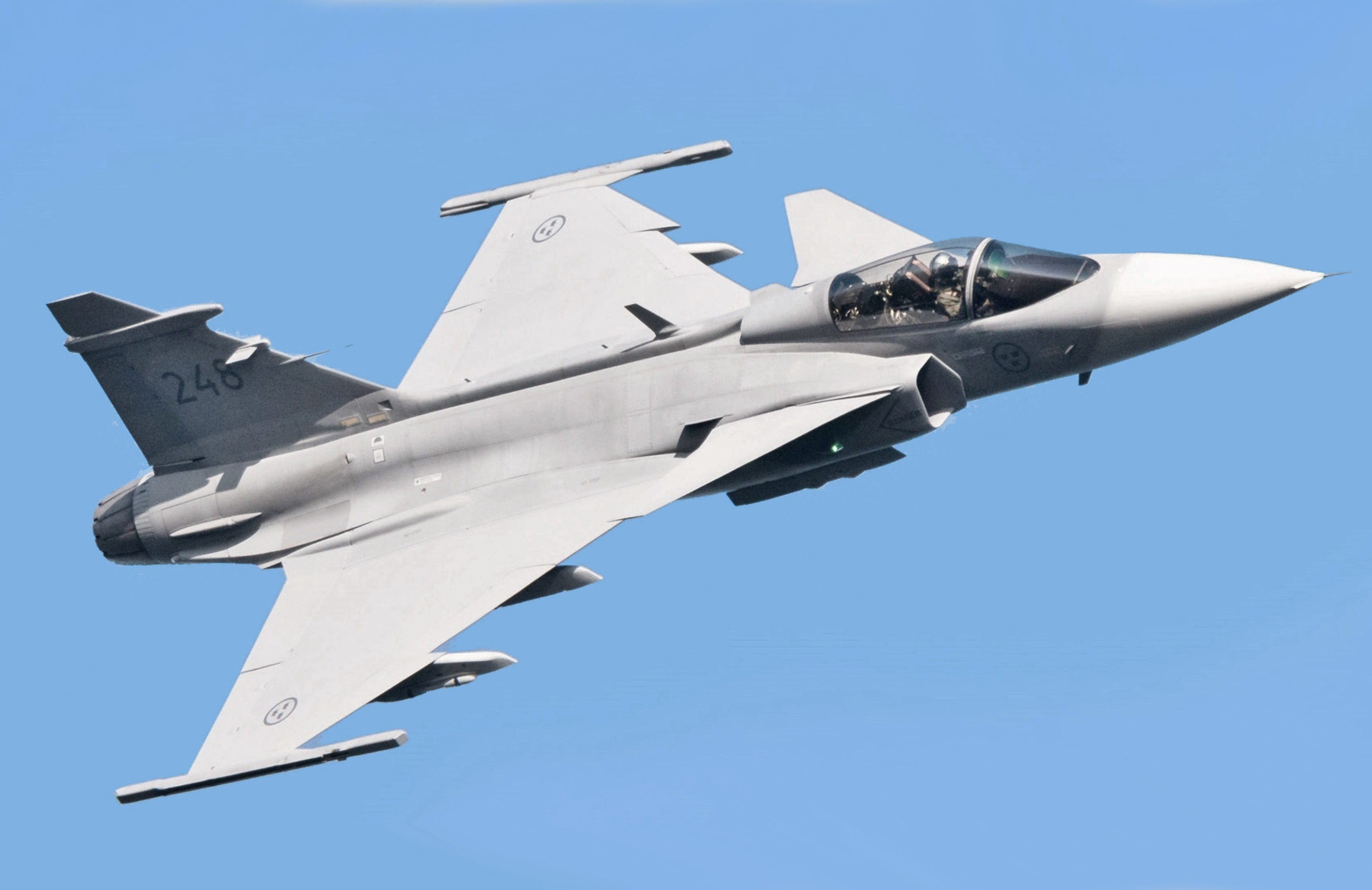
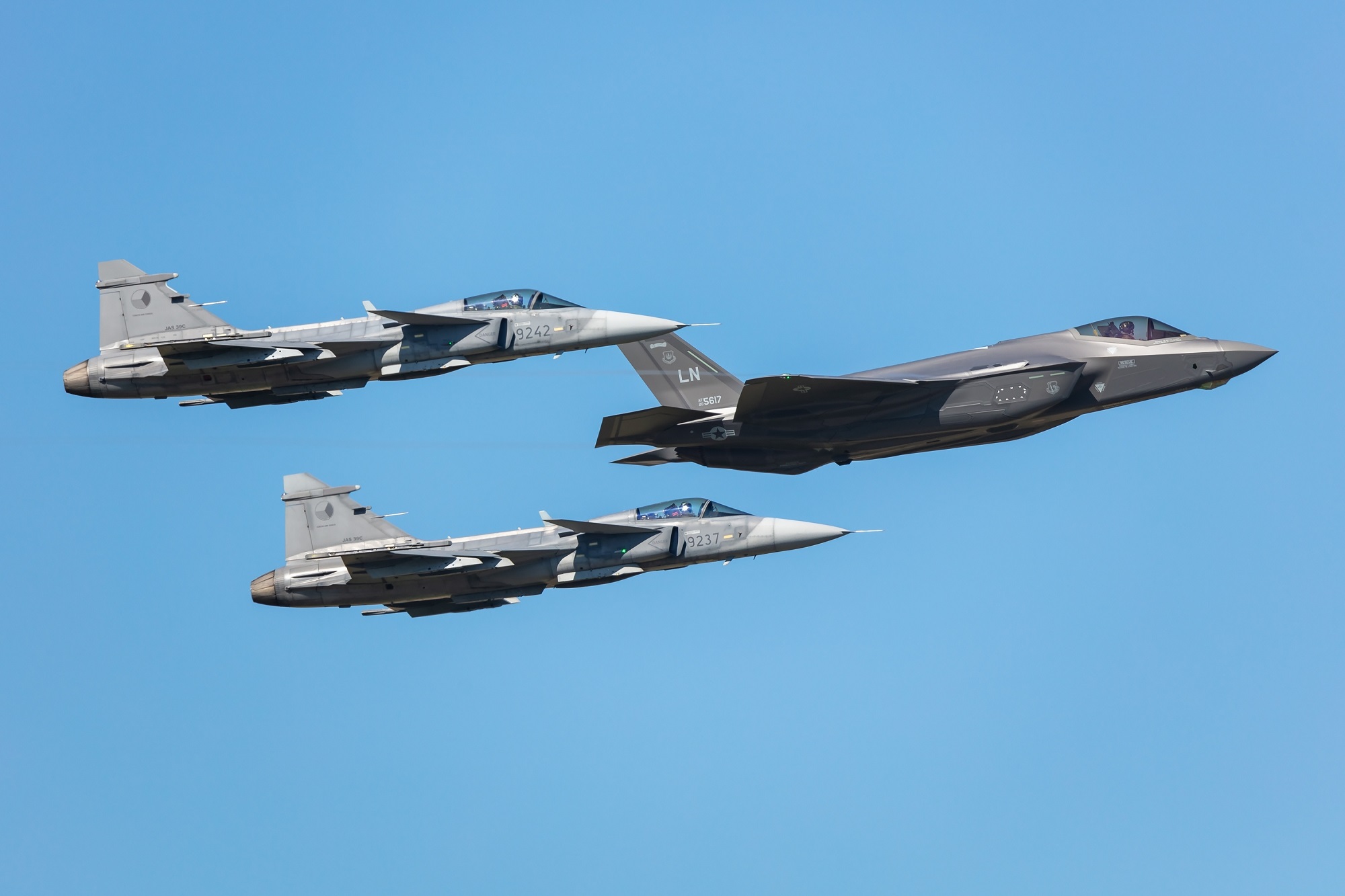
The ongoing F-35 procurement review — entertaining inferior Saab Gripen — exemplifies self-sabotage. Reported leaked evaluations and defense analyses show Gripen significantly outmatched in stealth, sensors, range, and fifth-generation warfare requirements. Mixed fleet disrupts NORAD; full F-35 commitment ensures superiority and jobs.
For Canada, it is imperative to remember, we are in better hands with our Southern neighbour whose number 1 priority is the west, we are lucky to be within that hemisphere — the grass is not always greener on the other side of the… “ocean”. And just like us, leadership changes hands – leaders may not always mesh – but united we are stronger.
9. The 2026 Reckoning: Risks Deferred No Longer
2026 may prove the year the illusion finally cracks, forcing painful adjustments or deeper decline
The mid-2026 CUSMA review will scrutinize trade balances, security contributions, energy flows, digital taxes, and border issues. A Canada viewed as unreliable — on defence spending, interference countermeasures, or fentanyl flows — invites severe leverage: sectoral tariffs, supply-chain exclusions, or hemispheric realignment.
Internal crises compound the external pressure:
- Chronic military recruitment and retention shortfalls leaving capability gaps in NORAD and Arctic defense.
- Growing provincial alienation and potential separation referendums threatening national unity.
- Entrenched transnational crime and money laundering networks exporting instability.
- Housing unaffordability and economic dependence on speculation rather than production.
- Hybrid threats from Russia, China, and Iran accelerating exploitation of Canada’s weaknesses.
Risks deferred for a decade are now converging rapidly — 2026 may prove the year the illusion finally cracks, forcing painful adjustments or deeper decline.
10. A New Path Forward: Reform, Gratitude, and the Possibility of Change
Canada’s exceptional peace and prosperity have been underwritten for generations by the United States. Reversing course begins with gratitude — recognizing the “southern shield” rather than resenting pressure as bullying, and understanding that true sovereignty requires contribution, not complacency.
Bold, decisive reforms are essential to restore strength and partnership:
- Achieve NATO 2% defence spending with irrevocable commitment to the full 88 F-35 fleet for superior capability, NORAD interoperability, and sustained high-skilled Canadian jobs.
- Harden borders, increase enforcement resources, and impose meaningful sentencing to dismantle transnational crime and laundering networks.
- Implement credible foreign interference deterrents far beyond symbolic $50 fines.
- Restore solemnity to citizenship ceremonies, strengthen civics education, and revive national pride to boost military and police recruitment.
- Eliminate interprovincial trade barriers completely and refocus policy on resource development and manufacturing revival.
- Align foreign policy and trade priorities with geographic realities and shared democratic values — prioritizing deep hemispheric integration over risky diversification into unstable or adversarial markets.
It would be remiss not to acknowledge that many of these vulnerabilities trace directly to over a decade of Liberal policies — from post-national rhetoric to deferred enforcement and globalist pivots that strained our most vital alliance.
A complete change in government could offer the clearest opportunity to reset course. Conservative platforms have consistently emphasized stronger defence spending, border security, resource development, national pride revival, and deepened U.S. partnership — promising a Canada that contributes as an equal, restores sovereignty through strength, and rebuilds trust with our closest neighbour for mutual prosperity and security.
Conservatives advocate responsible immigration to ensure integration and security; job security through reduced red tape and domestic focus; more high-quality jobs in resources and manufacturing; and a “country first” approach akin to Trump’s — prioritizing Canadian interests over globalist agendas. This contrasts with Liberal globalism-first orientation, seen in countless examples like China resets amid interference, UNDRIP hypocrisy, and diversification into unstable markets at the expense of hemispheric ties.
A reformed Canada partnering fully and equally with the United States — contributing meaningfully to Arctic security, including stable Greenland arrangements — could forge an unassailable North American economic and security powerhouse capable of thriving in any global environment.
The alternative — continued drift, media-driven fearmongering, and short-term posturing — risks deeper internal division, economic pain from tariffs, and the gradual withdrawal of the southern shield we have taken for granted far too long.
Sources & Further Reading
- Garry Clement — TheBureau.news
- Andy Lee (@RealAndyLeeShow) investigative work
- CSIS Public Reports & Foreign Interference Inquiry
- Department of National Defence & leaked evaluations (Radio-Canada, AeroTime)
- Auditor General reports on scandals
- 2026 Top Risks; CSIS Arctic assessments
- Wikimedia Commons, Lockheed Martin, Saab, defense media official images