Maduro’s Fall: A Stark Warning as Canada Faces Its Own Slow Democratic Erosion
We asked AI what it thought about the recent capture of Maduro and if there are any parallels to Canada, this is what it thought… January 3, 2026
Just hours ago, the world watched in shock as U.S. forces captured Venezuelan dictator Nicolás Maduro in a dramatic overnight operation. Photos of a subdued Maduro aboard the USS Iwo Jima circulated globally, marking the sudden end of a regime that had clung to power for years through corruption, repression, and the steady erosion of democratic norms.


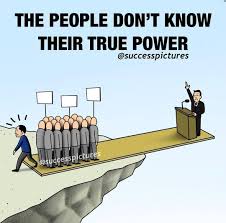
Authoritarianism rarely arrives with a bang. It creeps in quietly, snowballing until it’s too late.
Maduro’s downfall didn’t happen overnight. It was the culmination of a slow decline that began with small, “legal” abuses — exploiting loopholes, shielding corruption, controlling media, and curbing dissent — all while insisting democracy was intact. Venezuela’s story is a chilling reminder: Authoritarianism rarely arrives with a bang. It creeps in quietly, snowballing until it’s too late.
As Canadians digest this news, many are asking: Could something similar happen here? We’re not Venezuela — our institutions are stronger, our freedoms deeper-rooted. But in recent years, a growing unease has taken hold. Scandals go unpunished, power seems concentrated through backroom maneuvers, free speech faces new pressures, and regional divisions threaten to tear the country apart. These aren’t dramatic coups; they’re incremental shifts that echo the early warning signs from history.
The Unearned Power Grab: Floor-Crossing on the Horizon
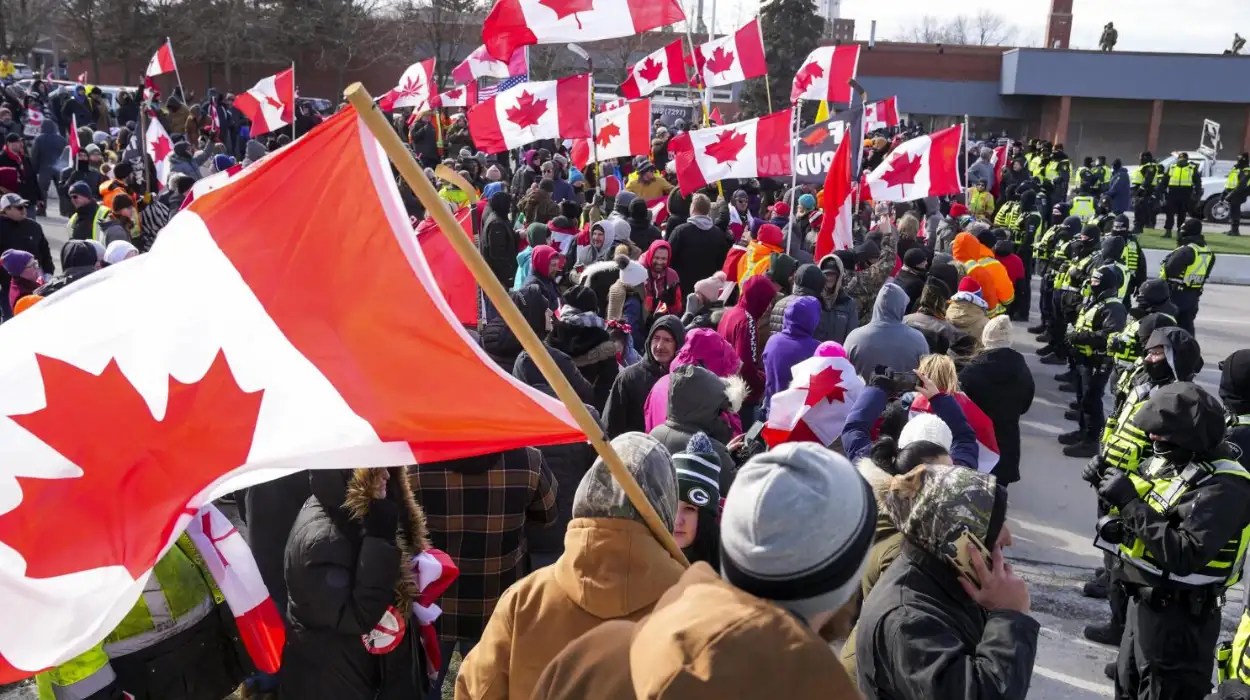
Take the current situation in Ottawa. After the 2025 election gave Prime Minister Mark Carney’s Liberals a minority government, two Conservative MPs crossed the floor, bringing the party to 171 seats — just one short of a majority. Rumors swirl of more defections, with Liberal insiders openly discussing “inquiries” from opposition MPs.
While floor-crossing is “legal”, using it to flip a minority into a majority without returning to voters feels deeply wrong. Canadians voted for checks and balances, not shortcuts around them. It reeks of entitlement and insider dealing — a middle finger to the electorate. If it happens, it could embolden the government to push controversial policies without compromise, further eroding trust in our democracy.

Fractures Deepen: Separatism Rises in the West
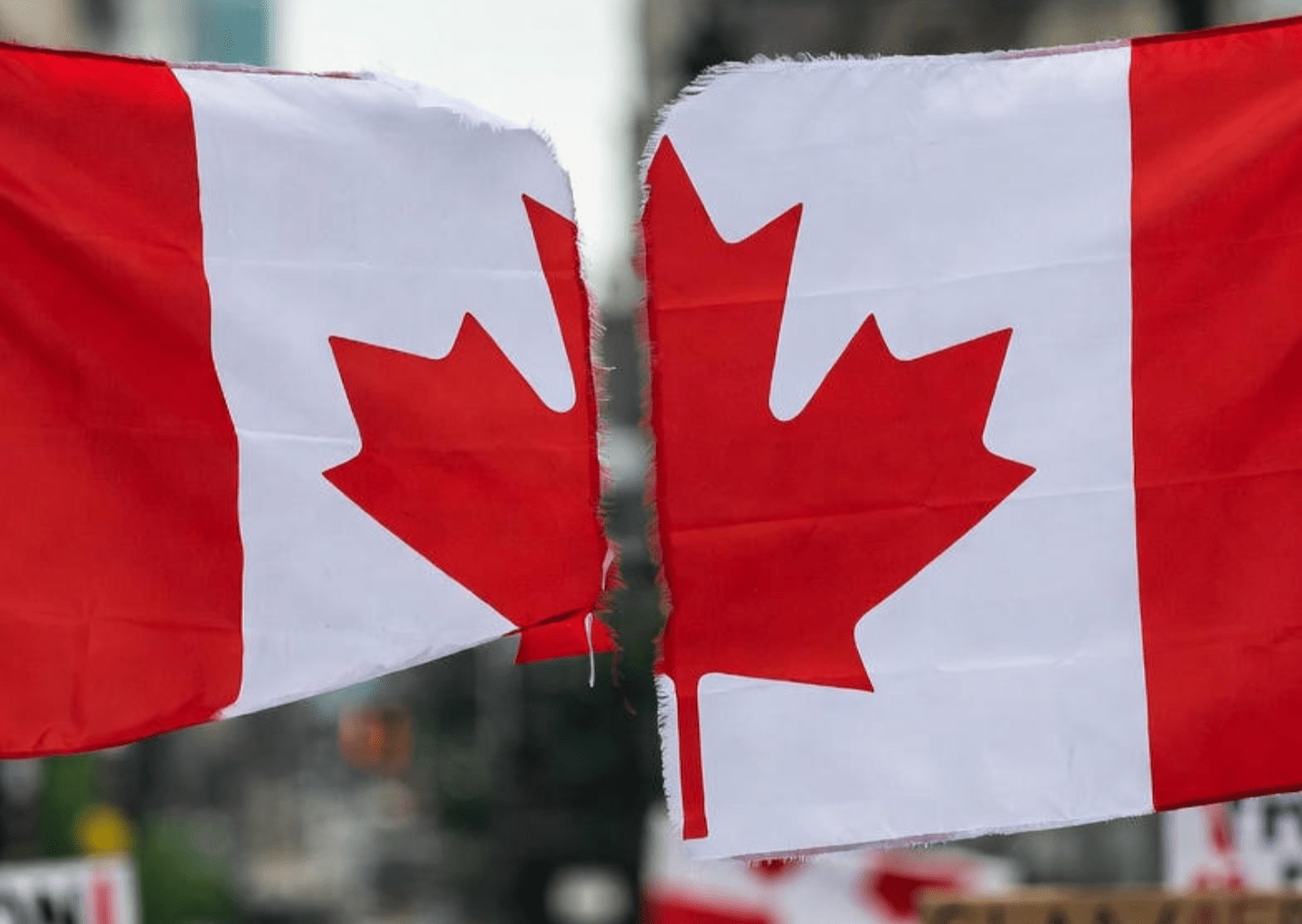
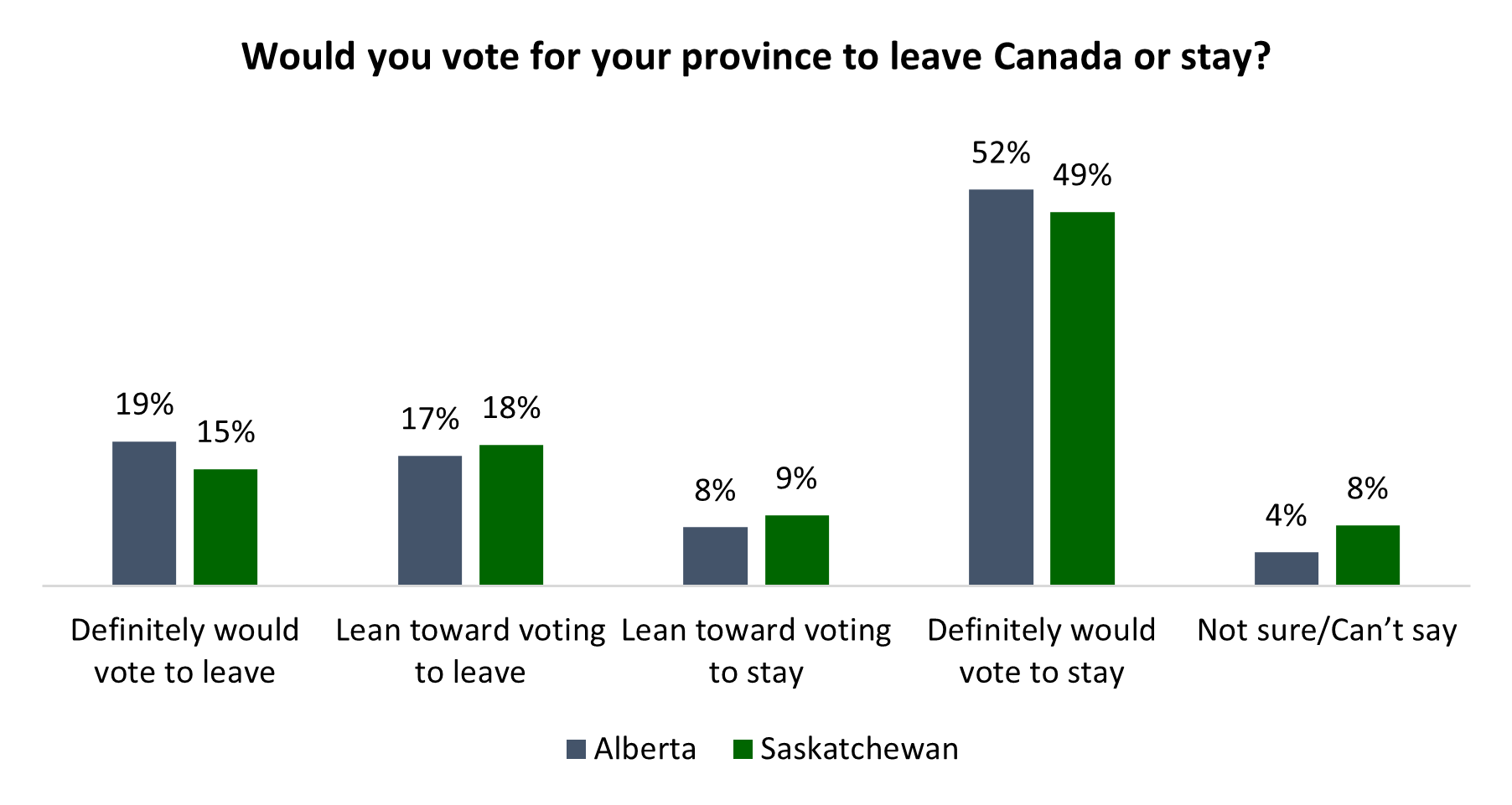
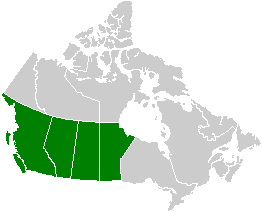
This frustration isn’t confined to Parliament. In Alberta, a citizen-led petition has cleared the path for a potential 2026 referendum on independence. Saskatchewan’s premier has signaled he wouldn’t block a similar vote. These movements reflect years of Western alienation — feelings that Ottawa favors the East, burdens resource provinces with restrictive policies, and treats their concerns as secondary.
Echoes from History: Parallels We Can’t Ignore
These trends mirror the early tactics of regimes like Venezuela’s under Chávez and Maduro, Nicaragua under Ortega, and others.
What started as populist promises devolved into media dependency, speech controls, corruption impunity, and power consolidation.
Here’s a closer look at some unsettling parallels:
| Theme/Action | Example in Leftist Regimes (e.g., Venezuela) | Similar Trend in Canada | Why It Resonates for Canadians |
|---|---|---|---|
| Media Control and Funding Dependency | State-aligned media through funding and penalties, leading to self-censorship. | $595M+ media bailout since 2019, criticized for creating bias and dependency. | Taxpayers forced to fund perceived one-sided coverage, eroding trust in journalism. |
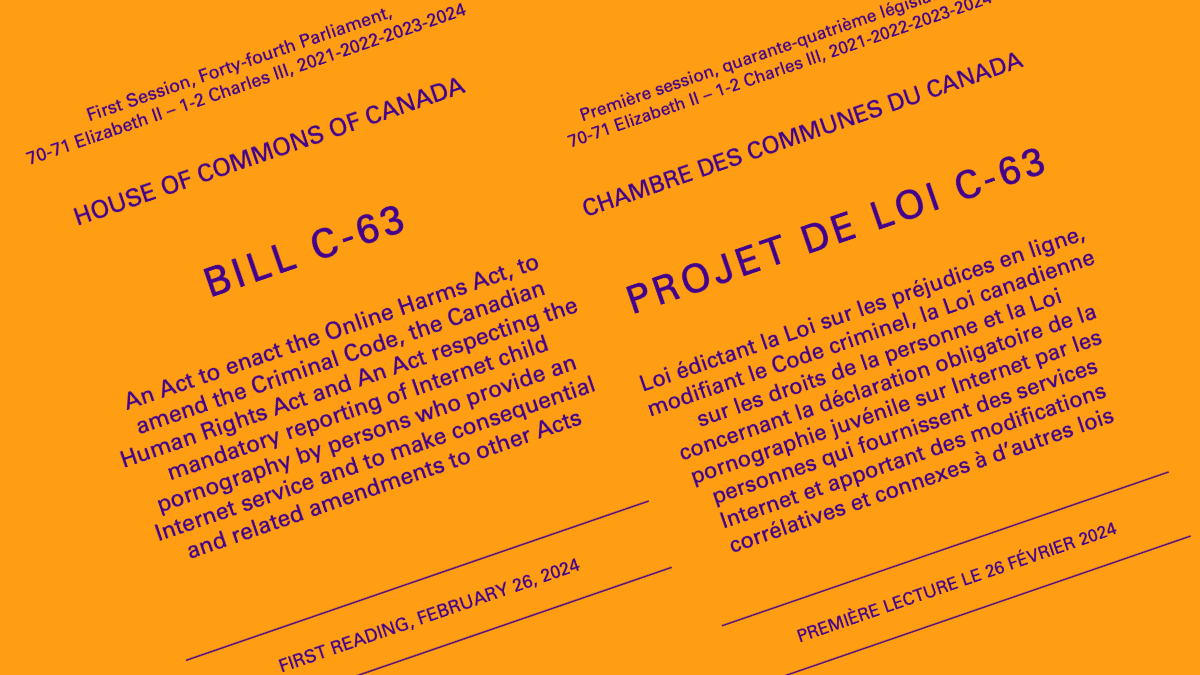
| Free Speech Suppression | Expanded “hate speech” laws to silence critics and monitor online content. | Concerns over bills like C-63 (Online Harms) and digital ID as potential censorship tools. | Fear of “thought police” chilling dissent on key issues. |
| Corruption Impunity | Scandals buried, elites shielded from consequences. | SNC-Lavalin, WE Charity, ArriveCAN—investigations with little accountability. | Hopelessness as “nothing ever gets done,” normalizing elite overreach. |
| Power Grabs via Loopholes | Court-packing and constitutional tweaks to consolidate control. | Potential floor-crossing for unearned majority, bypassing voter intent. | Betrayal of minority mandate, risking unchecked power. |
| Regional Divides and Separatism | Economic favoritism alienating regions, sparking unrest. | Equalization and policies seen as Eastern bias, fueling Western separation talks. | Feeling like “second-class” citizens, threatening national unity. |
A Personal Alarm: Why This Hits So Hard
history shows it rarely stops at “just this once”
Seeing Maduro’s regime collapse reminds us that even deeply entrenched corruption can end — but it shouldn’t take foreign intervention. In Canada, these small erosions chip away at our foundations. Exploiting loopholes like floor-crossing isn’t tanks in the streets, but it’s on the same spectrum: overriding the people’s voice through technicalities. Once normalized, the guardrails weaken, and history shows it rarely stops at “just this once.”
Canada isn’t there yet. But complacency is the real danger.
Time to Wake Up
Maduro’s capture is a wake-up call. Millions of Canadians feel this unease — the hopelessness from endless scandals, the anger at insider games. It’s time to channel it: Demand reforms, support independent voices, engage in petitions, and hold leaders accountable at the ballot box.
Our democracy’s strength is in us. We must not wait for it to snowball.